Protein is more than just a buzzword in the fitness world. It is a vital part of our daily diet, making up 10 to 20 percent of the calories most adults consume. But not all protein is created equal, and understanding the difference can have a real impact on your health and performance.
What Is Protein?
At its most basic level, protein is made up of amino acids. Think of amino acids like LEGO bricks. Your body takes these individual pieces and assembles them into the structures it needs: muscles, enzymes, hormones, and more. There are 20 different amino acids, and your body can make 11 of them on its own. The other 9 are called essential amino acids, and you have to get them from food.
Why Protein Matters
Protein plays a critical role in almost every process in your body. It repairs and builds muscle tissue after workouts. It supports your immune system. It keeps you feeling full and satisfied after meals. For anyone involved in CrossFit or strength training, adequate protein intake is non-negotiable if you want to recover properly and see results.
Complete vs. Incomplete Proteins
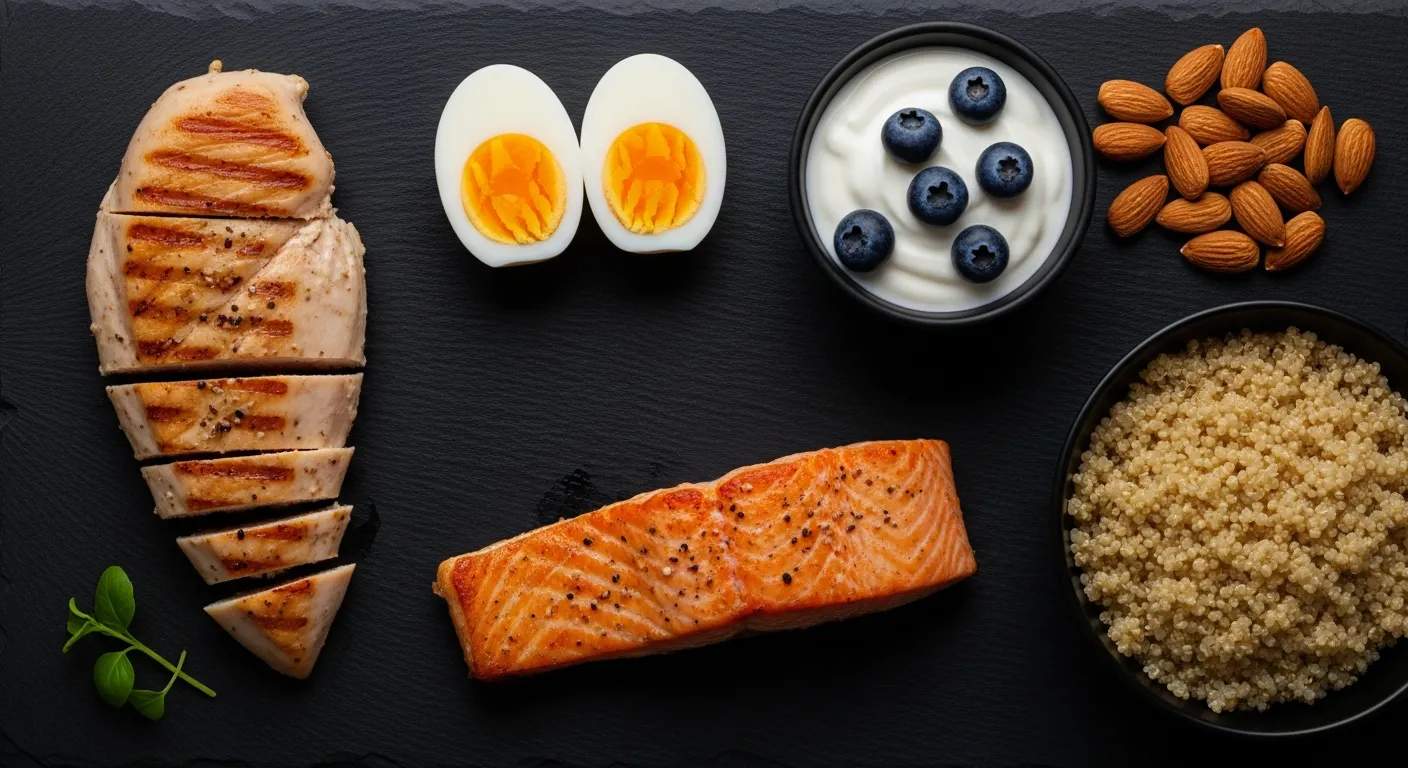
Not all protein sources are equal. Complete proteins contain all 9 essential amino acids in sufficient amounts. These are primarily found in animal sources like meat, fish, eggs, and dairy. Incomplete proteins are missing one or more essential amino acids and are typically found in plant sources like beans, grains, and nuts.
This does not mean plant proteins are bad. It just means you need to eat a variety of plant sources throughout the day to get all the amino acids your body needs.
PDCAAS: Measuring Protein Quality
Scientists use a scoring system called PDCAAS (Protein Digestibility Corrected Amino Acid Score) to measure protein quality. A score of 1.0 is the highest, meaning the protein provides all essential amino acids and is easily digested. Eggs, milk, and casein all score a perfect 1.0. Most plant proteins score lower, which is why variety matters.
Protein Supplements
Whey protein, casein, and plant-based protein powders can be useful tools for meeting your daily protein needs, especially on busy days when whole food meals are not practical. However, supplements should complement a balanced diet, not replace it. Whole foods will always be the foundation of good nutrition.
The bottom line: focus on variety and balance. Prioritize high-quality protein sources, eat a mix of animal and plant proteins, and make sure you are getting enough to support your training and recovery goals. Your body will thank you.